

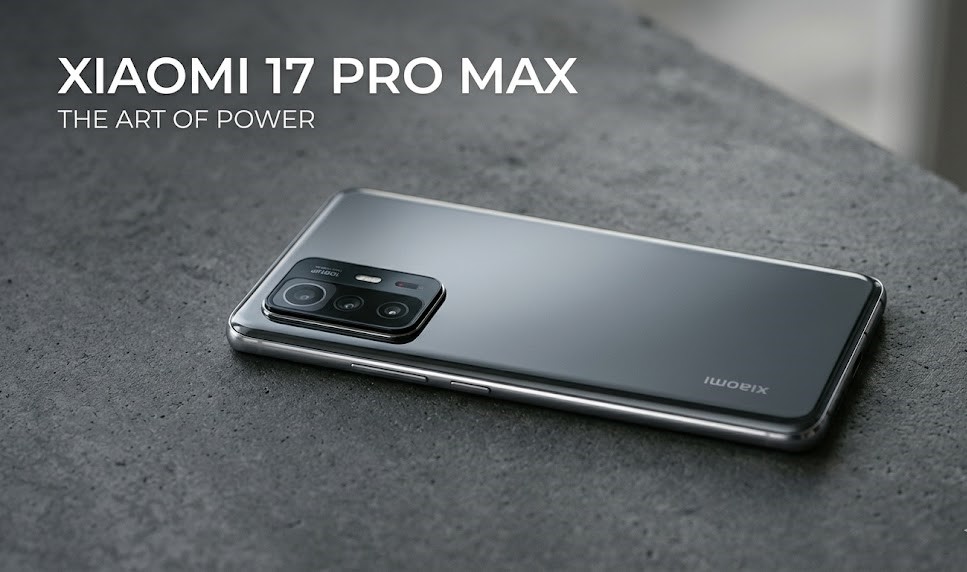
Week 21 of 2026 has introduced a major wave of hardware refreshes across the global technology sector. Mobile manufacturers are aggressively deploying high-capacity Silicon-Carbon (Si-C) batteries and overclocked processing units, while premium audio brands lean into commemorative, high-margin exclusive hardware. This intelligence brief deconstructs the tactical deployment of Xiaomi’s latest flagship, the competitive landscape of gaming mobile devices, and structural shifts in premium consumer electronics based on the latest GSMArena market review.
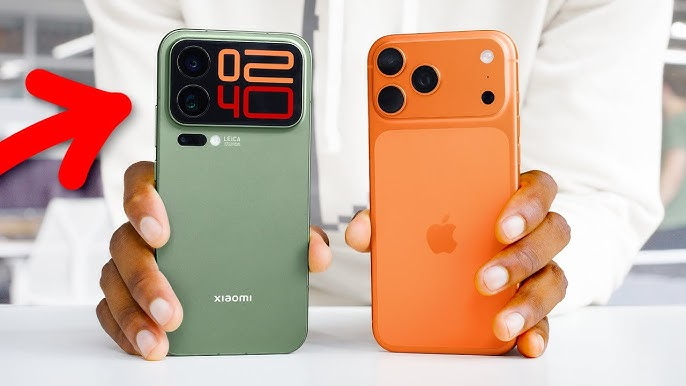
Technical Mechanics: Next-Gen Silicon-Carbon Energy & Processing
The latest generation of mobile hardware highlights a definitive transition toward higher energy densities and specialized cooling systems designed to sustain intense processing loads.
- Silicon-Carbon (Si-C) Battery Scaling: The integration of an 8,000mAh Si-C battery in the newly official Xiaomi 17 Max marks a structural shift in flagship dimensions. Si-C chemistry allows for unprecedented capacity retention within slim physical footprints, effectively addressing the power demands of advanced imaging chips and complex multi-camera arrays without adding extreme bulk.
- Overclocked Thermal Management: The newly launched RedMagic 11S Pro and 11S Pro+ exploit the Snapdragon 8 Elite Gen 5, driving its prime core to an unprecedented 4.74GHz. To mitigate the immense thermal output of this overclock, the 11S Pro+ deploys a high-velocity 24,000 RPM internal cooling fan coupled with a pulsating liquid-cooling loop.
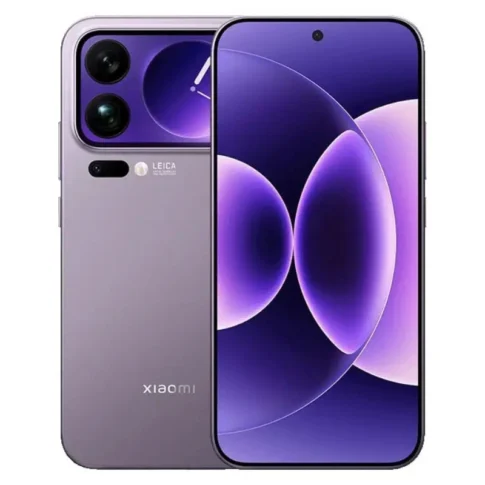
- Optics and Processing Architecture: The Xiaomi 17 Max completes its ecosystem by omitting the Pro Max’s secondary display in favor of a massive 200MP main wide-angle camera, paired with a 50MP 3x telephoto zoom and a 50MP 17mm ultrawide sensor. The processing throughput is backed by up to 16GB of LPDDR5X RAM and ultra-fast UFS 4.1 storage.
Strategic Deployment: Market Introductions & Price Matrix
The international smartphone and audio landscape is stratifying into highly specific consumer niches, ranging from budget-tier entry points to hyper-premium lifestyle gear.
| Hardware Profile | Strategic Core Specs | Pricing Architecture | Primary Positioning |
| Xiaomi 17 Max | 200MP Main / 8,000mAh Si-C / SD 8 Elite Gen 5 | CNY 4,799 to CNY 5,799 | High-end daily flagship focusing on extreme battery longevity and premium imaging. |
| RedMagic 11S Pro+ | 4.74GHz Overclock / 24,000 RPM Fan / 7,500mAh | CNY 6,199 to CNY 7,999 | Enthusiast-grade mobile gaming rig prioritizing raw thermal throughput. |
| Sony 1000X The ColleXion | Anniversary Tuning / Premium Materials / ANC | $649 / €629 / £549 | Commemorative audio layer slotting above the ongoing WH-1000XM6 line. |
| Infinix Hot 70 | Helio G100 Ultimate / 6,000mAh / 120Hz LCD | Regional Budget Tier | Mass-market entry point optimized for developing digital landscapes like Bangladesh. |
Structural Vulnerabilities and Strategic Limitations
- Anniversary Price Padding Friction: Sony’s deployment of the special-edition 1000X The ColleXion over-ear wireless headphones marks a risky monetization strategy. Commemorating ten years since the original MDR-1000X, these headphones arrive at a hefty $200 premium over the flagship WH-1000XM6 launch price. Early consumer sentiment remains highly skeptical, critiquing minor physical changes as an artificial method to inflate consumer margins.
- Leaked Display Bifurcation: Leaks regarding the upcoming Samsung Galaxy S27 Pro indicate a 6.47-inch display footprint. Positioned between the base Galaxy S27 and the larger S27+, this “Ultra Mini” form factor represents a risky attempt to capture premium consumers who demand high-tier performance without massive physical scale—a segment that has historically proven volatile in sales volume.
- Opaque White-Label Branding: Initial media units of the imminent Trump Mobile T1 Phone indicate it may be a straightforward white-label rebadge of the HTC U24 Pro hardware framework. Relying on older external hardware structures risks immediate exposure under deep teardown analysis, which could complicate marketing narratives surrounding its domestic assembly and proprietary technology infrastructure.
Conclusion
The strategic verdict for late May 2026 is that consumer electronics manufacturers are increasingly relying on extreme specification metrics—such as 8,000mAh capacities and 4.74GHz clocks—to drive upgrade cycles in a mature market. Concurrently, software stabilization remains a priority, as evidenced by Samsung successfully pushing stable One UI 8.5 builds to mainstream mid-rangers like the Galaxy A36 and A56 alongside legacy foldables. For technology planners, navigating this landscape mandates balancing the high manufacturing costs of next-gen Si-C materials against the consumer resistance forming against inflated premium audio and rebadged hardware lines.
Also Read : Technical Executive Profile: S. “Soma” Somasegar (1966 – 2026)
