

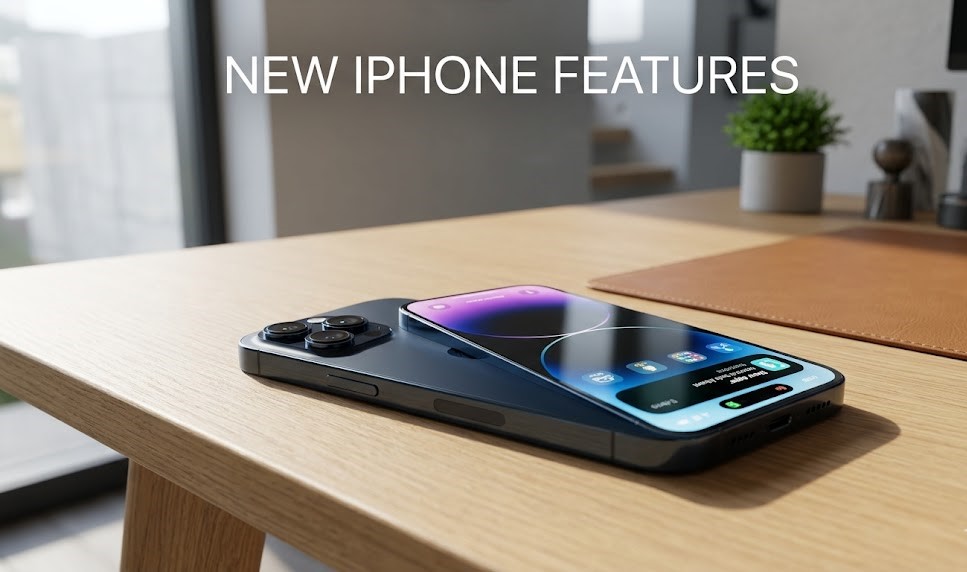
Apple’s official unveiling of iOS 27 marks a definitive pivot from standard operating system iterations to an AI-first contextual architecture. By embedding foundation models directly into core system layers, the update transitions the iPhone from a collection of isolated applications into a unified, predictive agentic system. However, this architectural overhaul is heavily constrained by systemic hardware limitations and international regulatory environments. This intelligence brief deconstructs the core features, implementation mechanics, and structural friction points of the upcoming iOS 27 deployment.
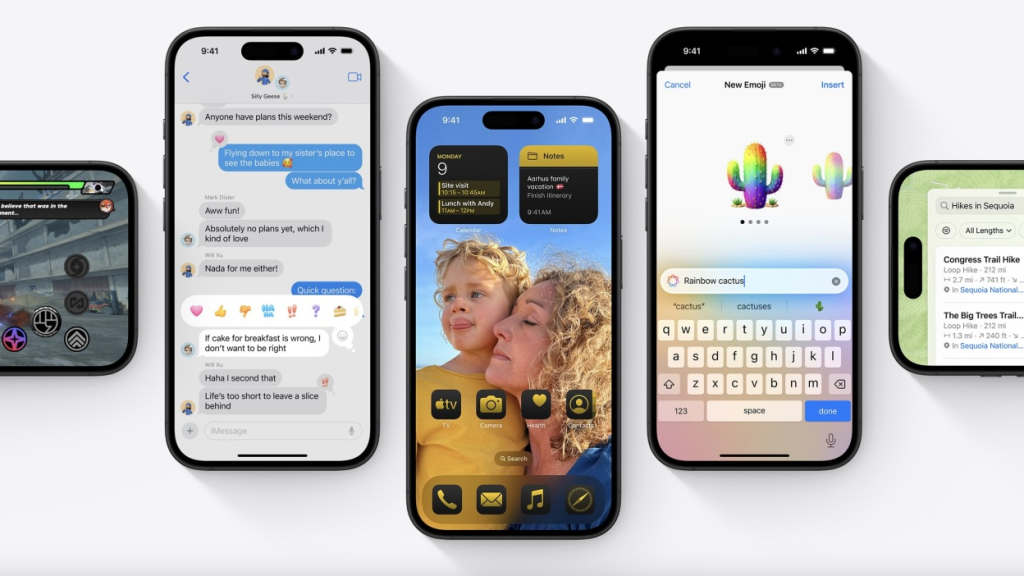
Technical Mechanics: Agentic Integration & Interface Adjustments
The core processing logic of iOS 27 represents a major shift toward automated workflow creation and deep data synthesis, building upon the initial developer parameters detailed in the TechRadar iOS 27 Core Briefing.
- Personal Context Synthesis: The transition to “Siri AI” represents the operationalization of cross-app agentic workflows. Built on proprietary foundation models integrated with Google’s architecture, the assistant bypasses traditional app boundaries to parse localized user data. This enables it to construct a local knowledge graph capable of resolving complex, multi-layered queries.
- Natural Language Automations: The integration of generative AI into the Shortcuts infrastructure eliminates the high-friction scripting barriers of previous versions. By utilizing natural language processing—colloquially termed “vibe-cutting”—the system automatically strings together disparate app APIs and system macros from a single semantic command, changing the app from a niche enthusiast tool into a mass-market utility.
- Aesthetic Recalibration: The inclusion of an opacity slider for the “Liquid Glass” design framework is an explicit optimization for interface accessibility. By allowing granular adjustments from “ultra clear” to “fully tinted,” the system improves contrast and text readability, mitigating the layout degradation and visual fatigue associated with the rigid glass effects of the previous generation.
Strategic Deployment Matrix
The iOS 27 feature suite introduces specific automated tools to maximize operational efficiency and security across the device.
| System Node | Tactical Modification | Strategic Utility & Objective |
| Siri AI Core | Cross-app data ingestion & visual search. | Establishes an on-device contextual agent; eliminates app-switching friction. |
| Shortcuts App | Natural language macro compilation. | Automated workflow synthesis; democratizes complex system tasks. |
| Passwords Engine | Automated credential updates. | Proactive risk mitigation via the Apple Passwords Infrastructure; fixes leaked credentials independently. |
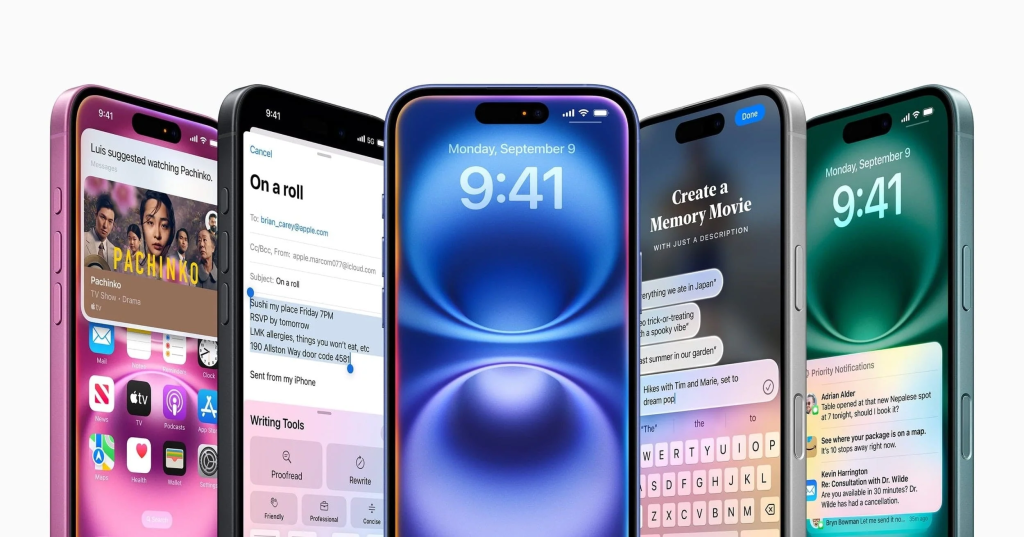
| Photos Tools | Generative fill, extend, and spatial reframing. | On-device perspective and frame expansion without external asset reliance. |
| Screen Time | Age-based time allowances & content blurring. | Pre-emptive regulatory compliance and granular safety protocols. |
Structural Vulnerabilities and Systemic Limitations
- Geopolitical and Regulatory Fractures: The explicit omission of Siri AI from the European Union market due to strict compliance mandates creates a stark, geographically fractured feature ecosystem. This fragmentation, outlined further on the EU Digital Markets Act Enforcement Portal, undermines the uniformity of global software deployments and isolates EU consumers from the operating system’s primary value proposition.
- Hardware Tier Exclusion: The advanced computational demands of local foundation modeling necessitate a strict hardware threshold, locking out devices older than the iPhone 15 series. Furthermore, premium expressive voice assets and high-throughput dictation are gated behind next-generation silicon (such as the iPhone 17 Pro), generating rapid artificial depreciation across older hardware tiers.
- Systemic Optimization Variance: While Apple claims significant performance boosts (30% faster app launches, 80% quicker AirDrop transfers), these metrics represent maximum efficiency ceilings on optimized testing hardware. Real-world execution on legacy devices stretching back to the iPhone 11 will likely experience severe performance variations. These constraints stand in stark contrast to other screenless, low-friction processing ecosystems like the Google Health App Optimization Matrix which prioritize continuous, low-overhead data harvesting over high-compute local generation.
Conclusion
The strategic verdict on iOS 27 is that it represents an aggressive, highly competent evolution toward contextual computing, tempered by geographic and hardware restrictions. Features like automated password rectification and natural-language shortcut compilation offer high-utility time savings for the end-user. However, the success of this deployment depends entirely on Apple’s ability to navigate international regulatory boundaries and maintain baseline system speed on older devices without compromising the integrity of its local processing models.
