

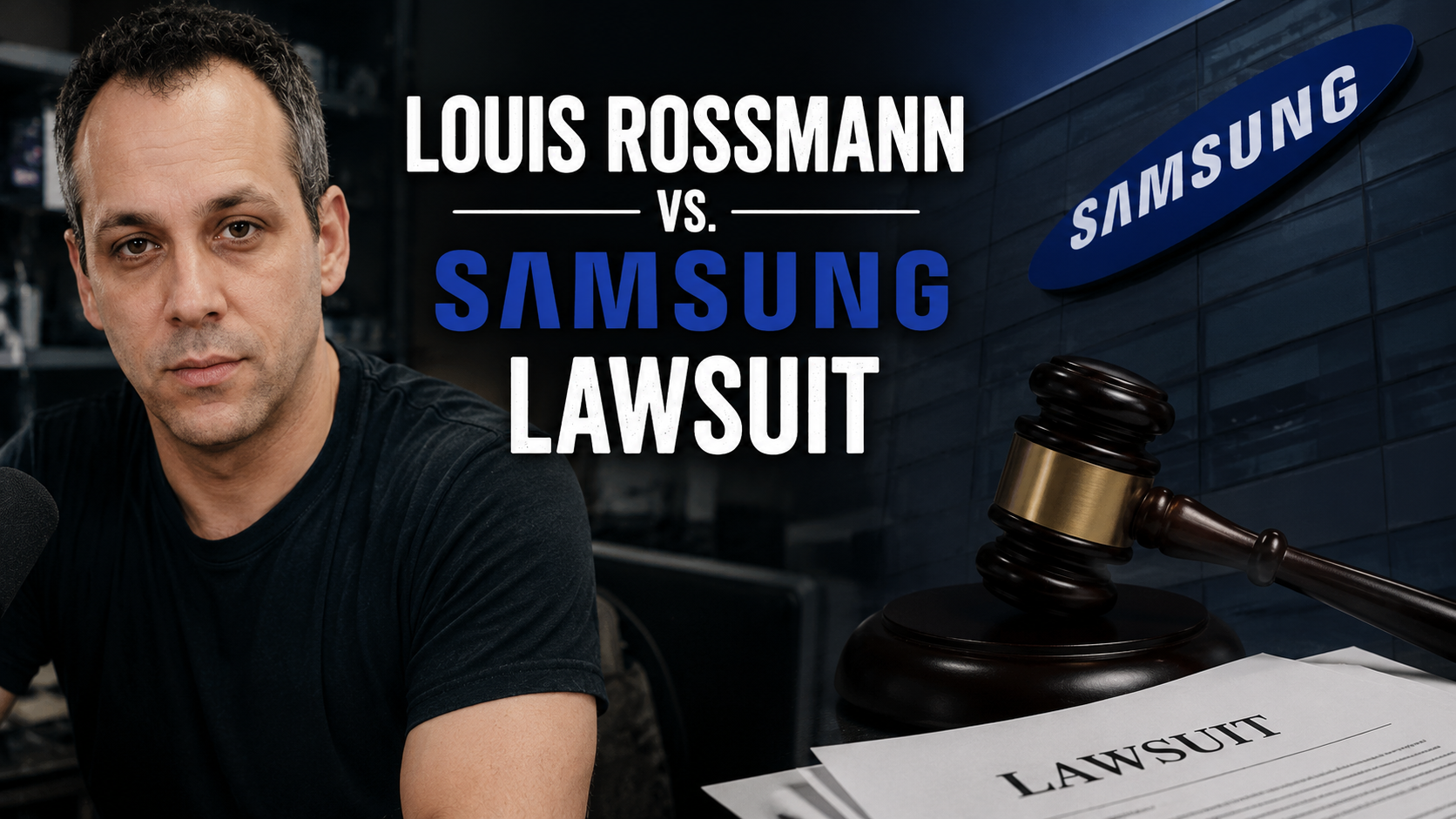
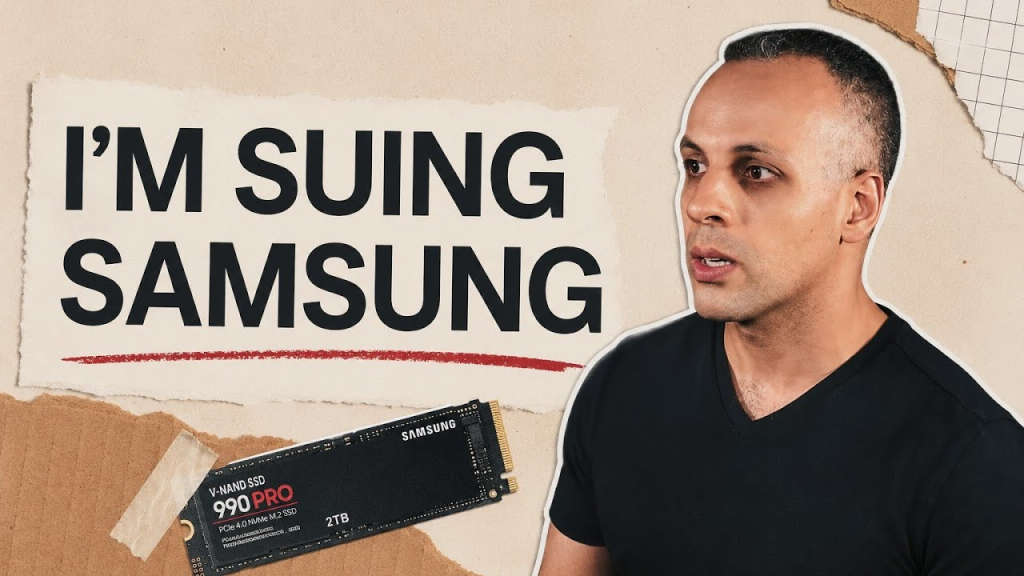
A high-profile dispute between popular right-to-repair advocate Louis Rossmann and tech giant Samsung has exposed major friction points in consumer hardware warranty fulfillment. The conflict centers on a corrupted 4TB Samsung 990 PRO solid-state drive (SSD) that Rossmann submitted for a Return Merchandise Authorization (RMA). After being repeatedly ghosted by the manufacturer, Rossmann issued a formal legal ultimatum, drawing widespread attention to how tech companies manage product replacements during global supply shortages.
Technical Mechanics: RMA Ghosting and Valuation Arbitrage
The conflict outlines a clear breakdown in standard hardware evaluation and corporate policy execution.
- Ticket Termination and Replicated Errors: After Rossmann reported persistent errors on his 4TB 990 PRO drive, Samsung requested photographic evidence and serial details. However, within a 24-hour window, the company summarily closed the support ticket, claiming the hardware worked “fine” and returning the un-repaired unit. Rossmann demonstrated that the storage corruption errors remained fully replicable upon receiving the drive back, showing write speeds collapsing to 40–60 MB/s before it stopped responding entirely on professional data recovery testing equipment.
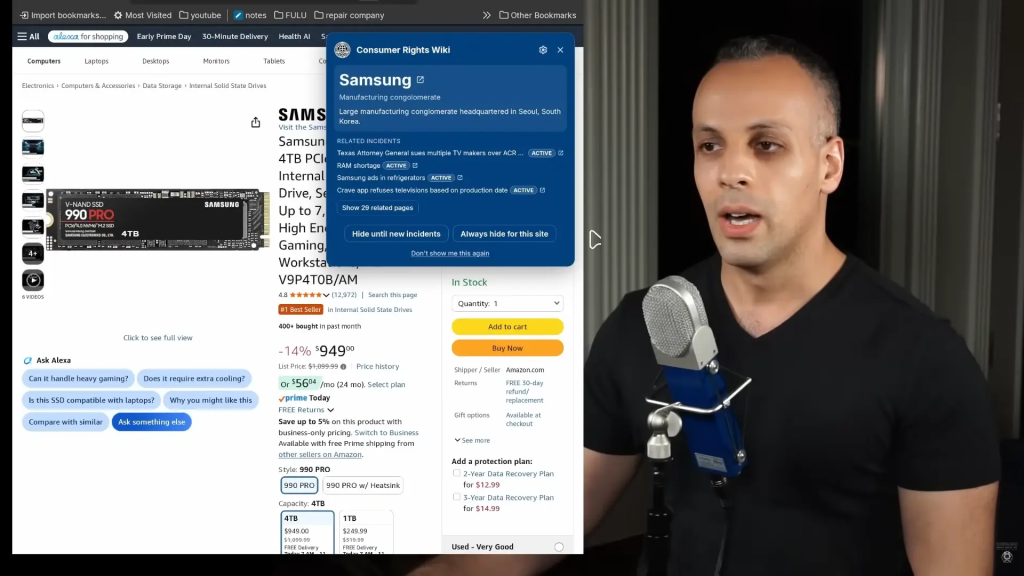
- Warranty Policy Arbitrage: Facing a 60-day legal ultimatum, Samsung offered a cash refund of $330—the original price Rossmann paid at purchase less than two years ago. However, a widespread memory market shortage has driven the current retail price of the identical drive up to $949. Samsung’s official warranty documentation states that if a replacement or repair is impossible, they must refund the “then current market value” at the time of the claim, meaning the company’s $330 offer directly bypasses its own legal guidelines.
- Retail Availability vs. Supply Center Inventory: Samsung defended its refusal to replace the unit by citing a massive inventory deficit at its official warranty service centers. Rossmann countered this argument by demonstrating that multiple units of the exact 4TB SSD remain readily available for immediate purchase from major third-party retailers like Amazon, suggesting the manufacturer is deliberately prioritizing retail profit margins over warranty obligations.
Conflict Logistics Matrix
The operational breakdown of the support interaction highlights the divergence between corporate stock tracking and real-world consumer rights.
| Dispute Phase | Corporate Action | Consumer Pushback | Policy Conflict Node |
| Initial Audit | Closes ticket under 24 hours; ships back corrupted drive. | Replicates data corruption errors immediately on host machine. | Internal diagnostic tools fail to flag real-world sector errors. |
| Legal Escalation | Claims zero warehouse stock due to memory market shortage. | Demonstrates abundant retail availability on Amazon at $949. | Supply chain isolation between retail channels and RMA inventory pools. |
| Financial Settlement | Offers flat $330 refund based on historical purchase receipt. | Rejects offer, demanding a physical replacement or a $949 market-rate payout. | Disregards contract clause dictating “then current market value” resolution. |
Structural Vulnerabilities and Market Precedents
- The Hardware Shortage Moat: Memory market volatility regularly leaves manufacturers exposed when high-tier components fail. When global component costs surge, companies face intense financial pressure to avoid physical replacements, occasionally resorting to protective financial shell games to protect shrinking profit margins at the expense of user agreements.
- Wider Component Warranty Fractures: This dispute occurs alongside a broader trend of big-tech warranty rejections across the hardware community. Recent reports document similar customer service friction, such as AMD denying warranty claims on dead processors by blaming motherboard substrate anomalies, forcing enthusiast groups to look toward formal legal remedies.
- The Power-User Legal Risk: While the average consumer lacks the capital to take a multi-billion dollar technology firm to court over a storage drive, public figures with dedicated platforms can inflict massive brand damage. Centralized support networks that use automated ticket-closing algorithms often fail to recognize high-impact users, turning a minor component failure into a high-visibility public relations crisis.
Conclusion
The strategic breakdown of the Rossmann-Samsung warranty dispute underscores a growing need for transparency in hardware replacement pipelines. By attempting to settle a high-demand component claim at a historical discount while the item sits on retail shelves at a massive premium, the manufacturer has compromised consumer trust. The ultimate resolution of this case, tracked across specialized hardware reporting on Wccftech, will likely force central service networks to reconsider how they calculate liability payouts during global supply drops, ensuring that corporate legal teams respect their own published market-value clauses when dealing with persistent consumer advocacy.
