

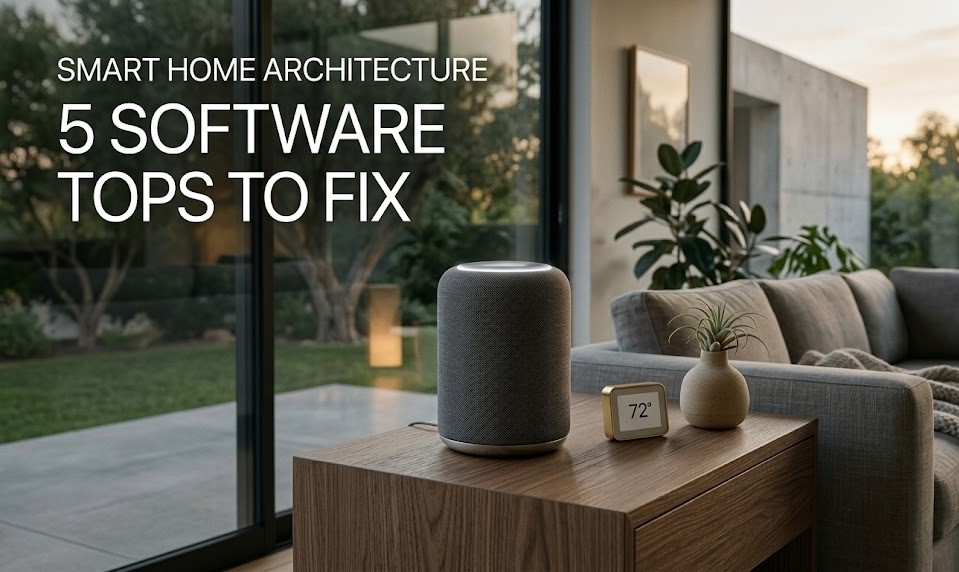
Apple’s next-generation HomePod 3 is reportedly stuck in limbo while the company navigates delays surrounding its core AI Siri upgrade. While Apple has traditionally excelled at developing industry-leading audio hardware, the current HomePod user experience remains heavily criticized for feeling a generation behind competing smart ecosystem hubs. This architectural brief deconstructs the five critical software and functional vulnerabilities Apple must resolve to transform the HomePod 3 into a viable, modern smart home anchor.
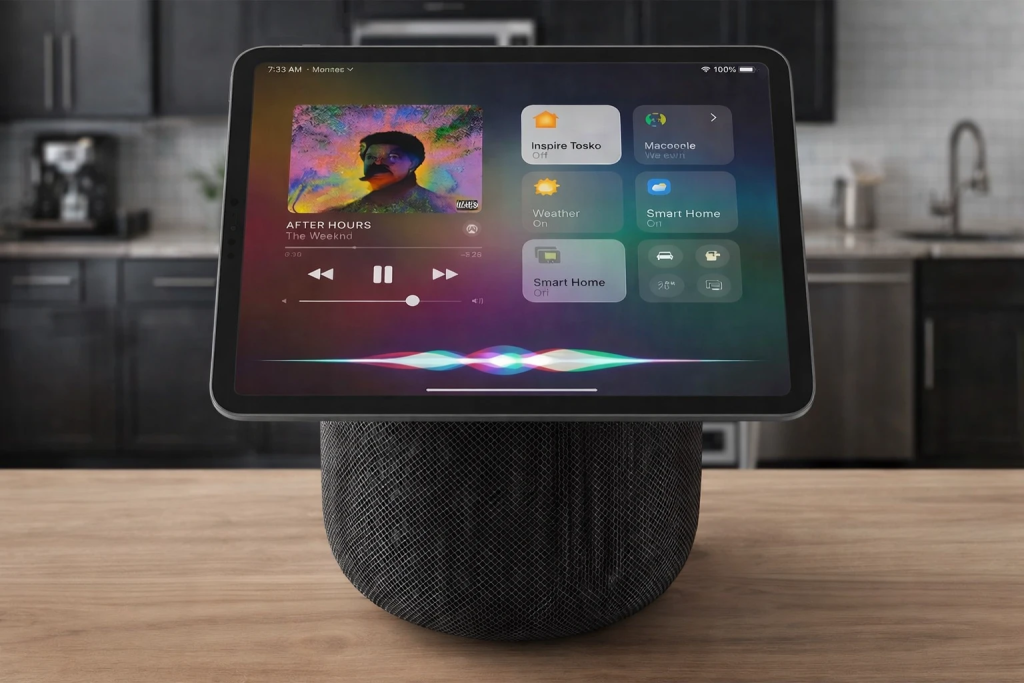
Technical Mechanics: The Intelligence vs. Audio Disconnect
The underlying friction within Apple’s smart speaker line is not acoustic; it is systemic. Competing platforms have successfully shifted the value proposition from raw audio reproduction to advanced Large Language Model (LLM) processing.
- The LLM Conversational Deficit: Current iterations of Siri on HomePod function primarily as rigid, command-based search bars rather than fluid digital assistants. When subjected to natural follow-up questions or complex, multi-step queries, the current system undergoes immediate logic failure. In contrast, Amazon and Google have already deployed extensive generative AI layers to their smart assistants, enabling flexible, contextual, and conversational thread tracking.
- Walled-Garden Ecosystem Friction: The HomePod remains strictly optimized for Apple Music, presenting severe integration friction when interacting with major external streaming platforms. Users attempting to invoke native voice commands for Spotify, Tidal, or YouTube Music frequently encounter handoff errors or stubborn redirections to Apple Music, degrading the product’s utility for non-Apple-ecosystem subscribers.
- HomeKit Reliability Bottlenecks: Despite years of marketing the HomePod as a centralized home automation hub, the Apple HomeKit framework continues to suffer from unexpected automation drops. Siri frequently responds to simple device-trigger commands with generic, uninformative errors like “Sorry, something went wrong,” forcing users to manually override commands within the Home app.
Strategic Deployment: 5 Required Architecture Upgrades
To secure market share against dominant first-movers like the Amazon Echo series, Apple must prioritize systemic “intelligence” updates over physical aesthetic redesigns.
| Upgrade Priority | System Requirement | Targeted Consumer Outcome | Competitor Baseline |
| Generative Siri Upgrade | Rebuild Siri natively on Apple Intelligence architecture. | Fluid, multi-step conversational handling and reliable context tracking. | Google Gemini & Amazon Alexa LLM layers. |
| Native API Harmonization | Treat Spotify and Tidal as first-party services without workarounds. | Eliminate ecosystem lock-in; establish seamless, predictable voice handoffs. | Open platform standard on Sonos. |
| Integrated Smart Display | Introduce a high-end, plasticky-free smart screen. | Visual reference point for Siri, visible countdown timers, and native FaceTime hub. | Echo Show and Google Nest Hub. |
| HomeKit Core Overhaul | Re-engineer underlying automation protocols for stability. | Eliminate random smart device non-responsiveness and generic errors. | Reliable, basic smart home fundamentals. |
| Stratified Voice Recognition | Leverage Apple Intelligence for highly granular biometric voice mapping. | Instant, accurate user identification with deeply personalized music and route recommendations. | Basic multi-user profile switching. |
Structural Vulnerabilities and Strategic Limitations
- The Smart Display Mandate: Shipping a HomePod 3 in 2026 without an integrated screen runs the risk of immediate market obsolescence. Consumers increasingly view smart speakers as visual kitchen and living room dashboards. While Apple has reportedly spent years developing an integrated display device, further delays allow competitors to lock down hardware real estate in premium households.
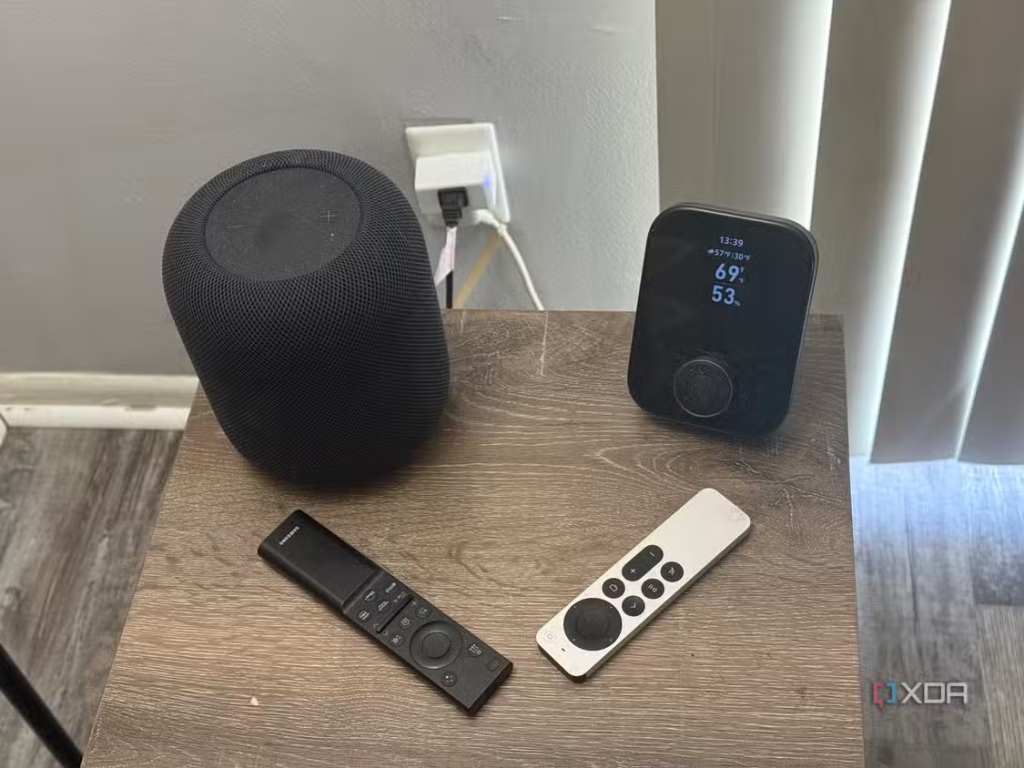
- Hardware Component Longevity: Consumer confidence has faced recent headwinds due to emerging hardware vulnerabilities within smaller models. Verified feedback indicates that HomePod mini touch screens are failing at high rates, transforming expensive devices into non-responsive “paperweights.” If the HomePod 3 introduces premium materials without solving these underlying touch-capacitive degradation issues, it faces severe reputational risks.
- The Strategic Delay Advantage: Paradoxically, holding back the HomePod 3 launch until Apple Intelligence is fully stabilized is a highly logical maneuver. Because modern consumers no longer purchase smart hubs purely for acoustic fidelity, launching hardware with an outdated voice assistant would permanently cripple the product line’s market positioning.
Conclusion
The strategic verdict for Apple in mid-2026 is clear: the HomePod 3 cannot be won on speaker design alone. The company has already nailed the acoustic hardware engineering, but the product line continues to underperform due to severe deficits in ecosystem flexibility, home automation reliability, and conversational AI processing. By deliberately stalling the launch until Siri can be natively driven by generative Apple Intelligence infrastructure, Apple is executing a necessary course correction. For smart home architects, the HomePod 3 remains a highly anticipated piece of hardware, but its ultimate viability hinges entirely on Apple’s willingness to tear down its walled-garden music restrictions and deliver on the promise of a truly intelligent home assistant.
Also Read : Technical Executive Profile: S. “Soma” Somasegar (1966 – 2026)
